

Earth Retention
Helical tieback and Soil Screw anchors for earth retention systems
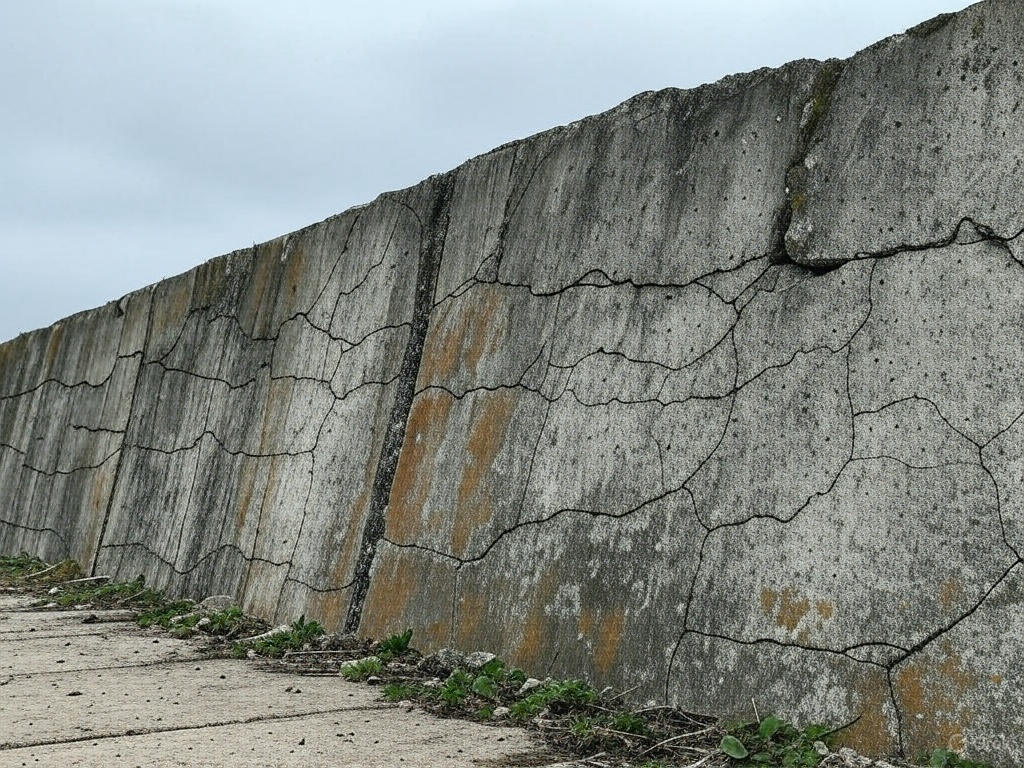
We provide expert earth retention solutions for a variety of construction projects, ensuring the stability and safety of your site. Our team of professionals designs and installs retaining walls, shoring systems, and other earth retention structures to resist lateral earth pressures and prevent soil instability. We utilize a range of techniques, including soldier piles with wood lagging, sheet piles, and structural diaphragm walls, to create temporary or permanent structural retaining walls. Additionally, our helical tieback anchors provide additional lateral support for many retaining wall designs, transferring loads to load-bearing soil and ensuring a stable environment. Our helical tieback anchors consist of a central steel shaft and one or more helical shaped bearing plates, which are installed by rotating or screwing into the ground until the desired stability is achieved. We work closely with our clients to determine the best earth retention solution for their needs, minimizing the risk of soil instability and erosion while providing a safe and stable environment for their project.

Local
Proudly Serving the Big Sky Region: Montana and Wyoming

Engineer Reports
We work with engineers to get it right the first time
Earth Solutions
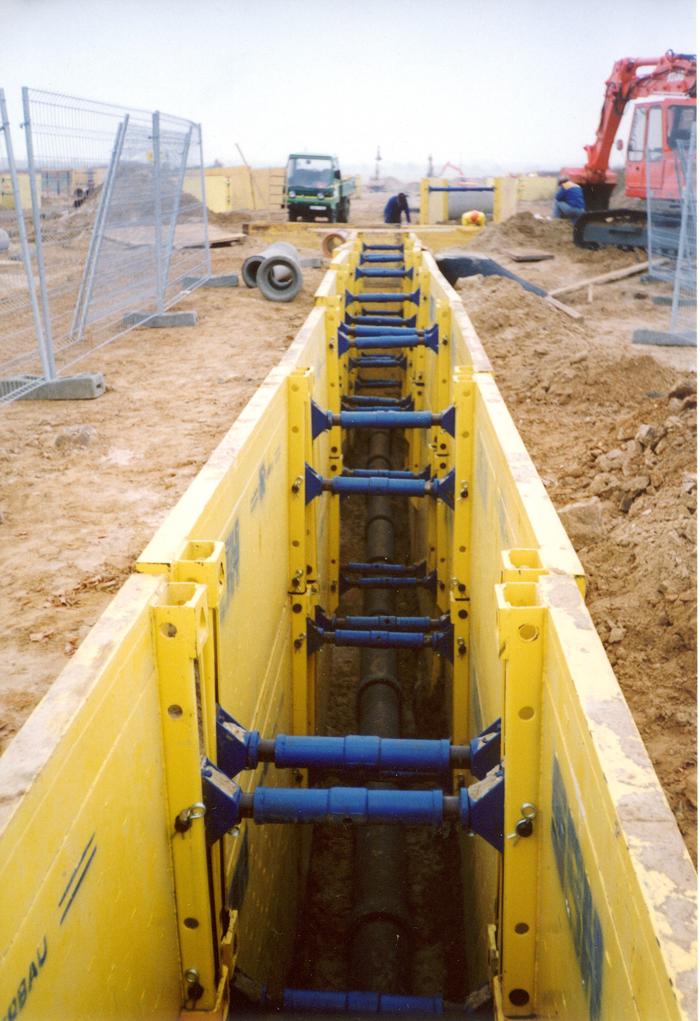
SHORING
Stabilizing the ground, our helical pier installations provide a secure and reliable foundation for shoring systems, ensuring the safety and integrity of structures and excavations.
Anchoring with confidence, our helical pier installations enable tie-back systems to hold firm, providing a durable and long-lasting solution for soil stabilization and structural support.

TIE-BACKS
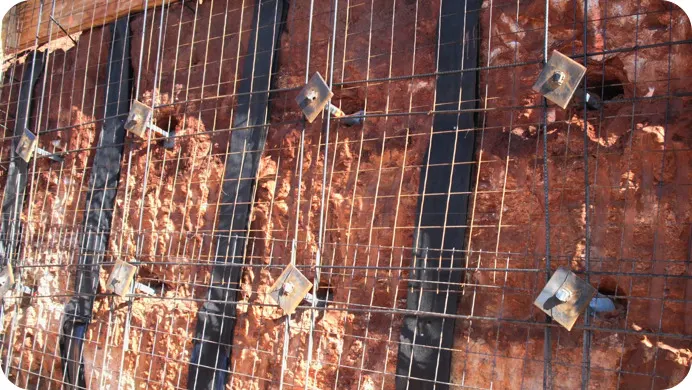
Soil Screw anchors
Soil Screw anchors offer a secure and reliable solution for stabilizing cuts and slopes. Our anchors are designed to provide temporary or permanent support, and are installed by screwing into the ground until the desired stability is achieved.
Holding back the earth, our helical pier installations provide a strong and stable foundation for retaining walls, ensuring the integrity and safety of structures and landscapes.
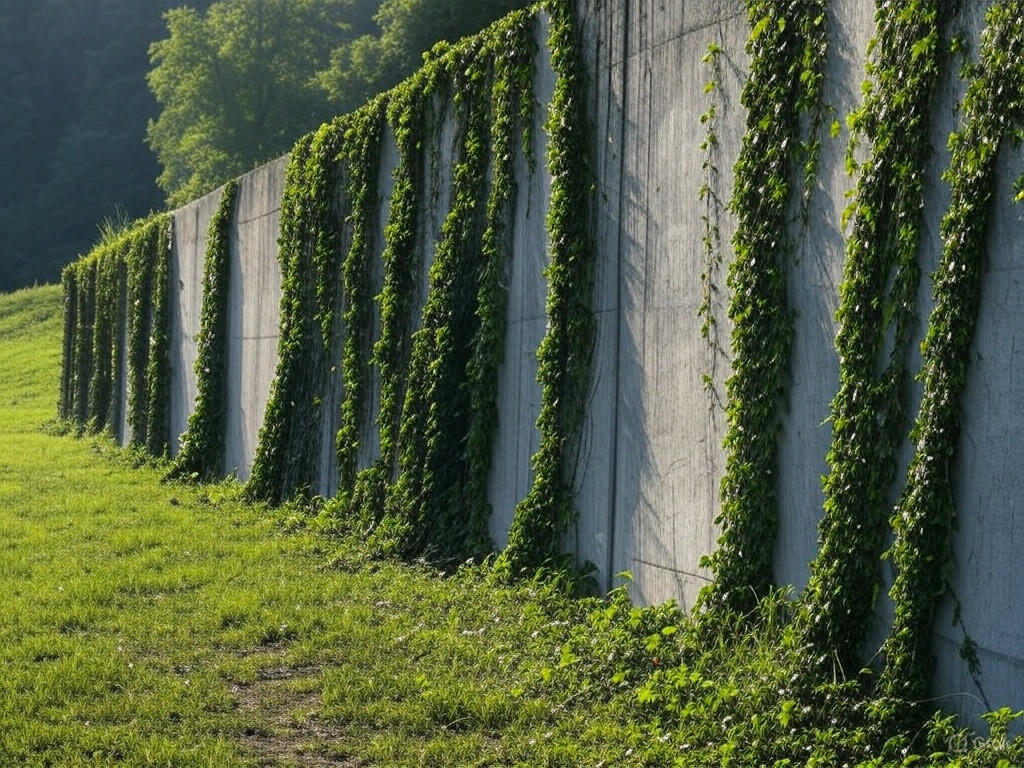
RETAINING WALL
We get it right the first time, every time, and our solutions are built to last.
Frequently Asked Questions; Earth Retention
What is the typical load-carrying capacity of a helical pier?
- The typical load-carrying capacity of a helical pier can range from 10 to 500 tons, depending on the size and type of pier, as well as the soil conditions. However, the exact load-carrying capacity will depend on the specific project requirements and soil conditions.
How deep can helical piers be installed?
- Helical piers can be installed to depths of up to 100 feet or more, depending on the soil conditions and the type of pier. However, the typical installation depth is usually between 10 to 50 feet.
What types of soil conditions are suitable for helical piers?
- Helical piers can be installed in a variety of soil conditions, including clay, silt, sand, and rock. However, they are most suitable for soils with low to moderate bearing capacity, such as expansive clays or loose sands.
How do helical piers compare to other deep foundation systems?
- Helical piers offer several advantages over other deep foundation systems, including:
- Higher load-carrying capacity
- Deeper installation capabilities
- Faster installation times
- Lower costs